
Building the world of Lake: Vegetation
Recreating a real-world location was definitely new for me, having previously only worked from inspiration. Gathering references was easy, though the immense variety of locations made it difficult to really distil what represents Oregon in its broadest form.
Vegetation is plentiful in Oregon, the state itself can be divided into several ecoregions. Though it largely boils down to forest, grassland and high desert. Forests provide a more closely-nit and intimate settings, which lent itself well to the type of game Lake is. Subsequently, trees make up natural barriers, confining the players to the roads and path we laid out for them. After all, when delivering mail, you need to be going specific places, rather than wandering about.
After frequenting some federal forestry websites, I came across this (rather vintage) forestry guide. It proved to be extremely useful for figuring out which trees are commonly occurring.
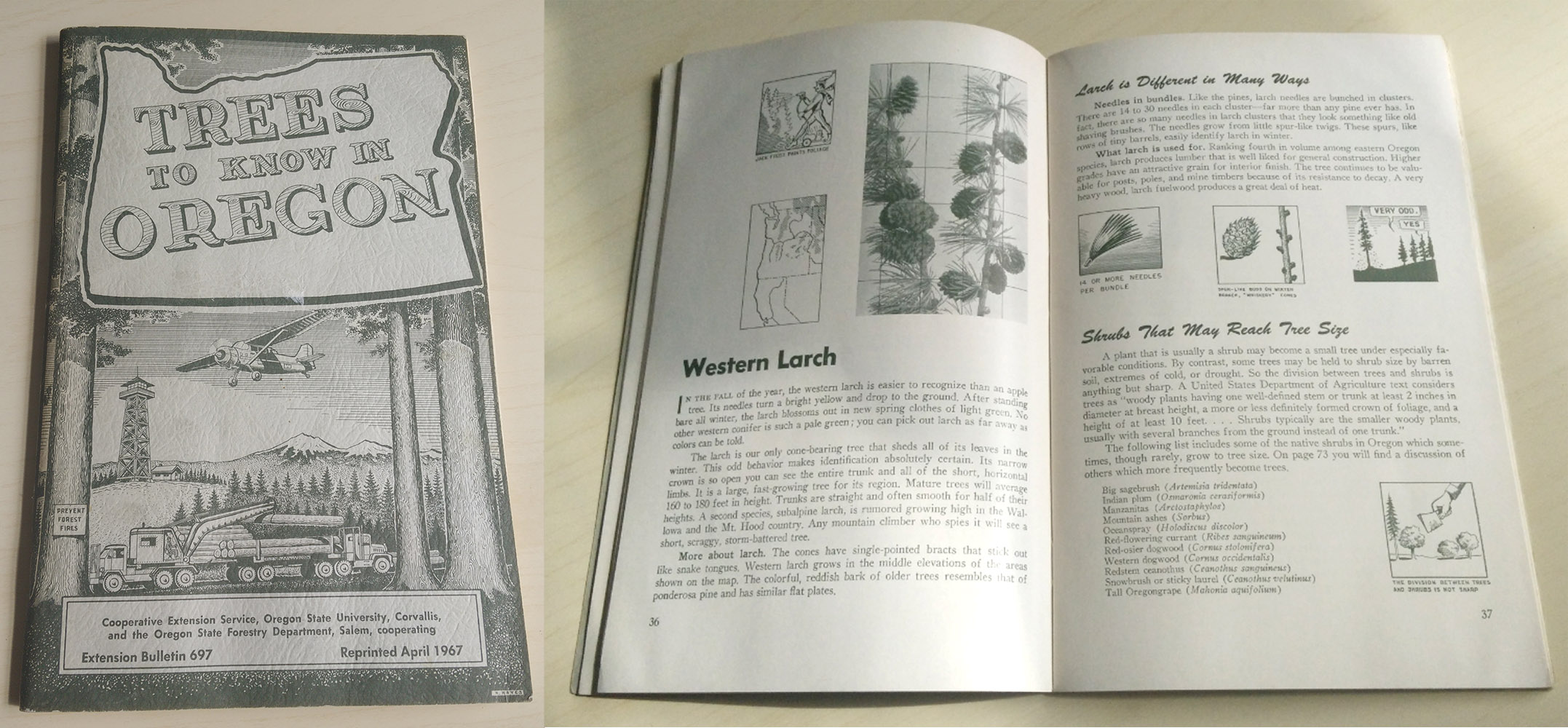
This made it more straightforward to find the actual names of trees I was seeing in photographs and build out an asset list. In turn, I could look for specific references.
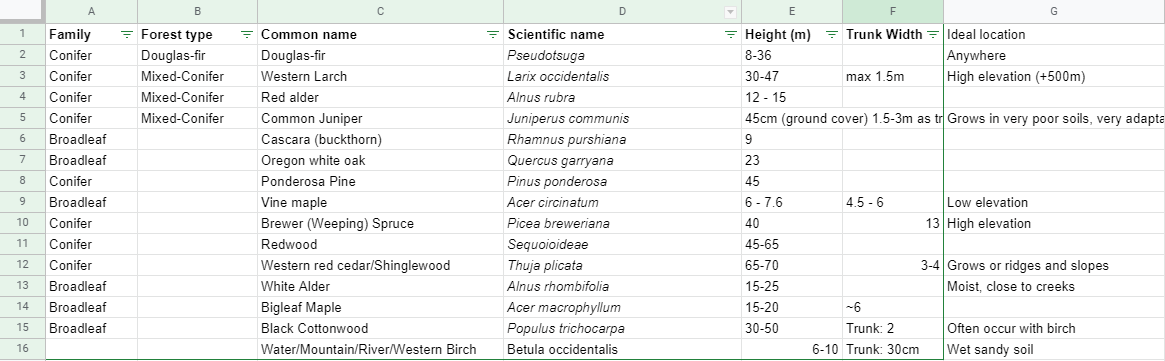
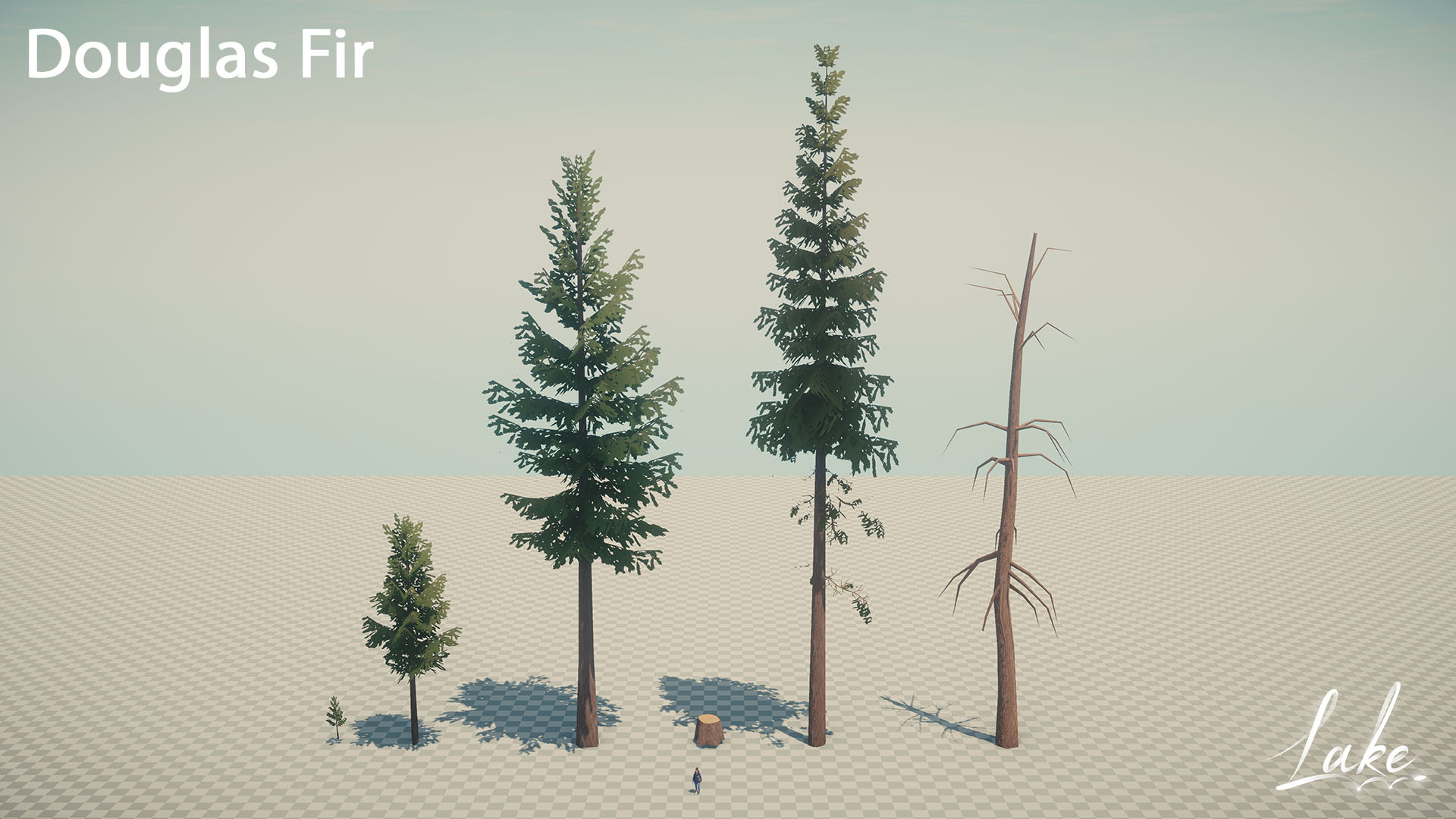
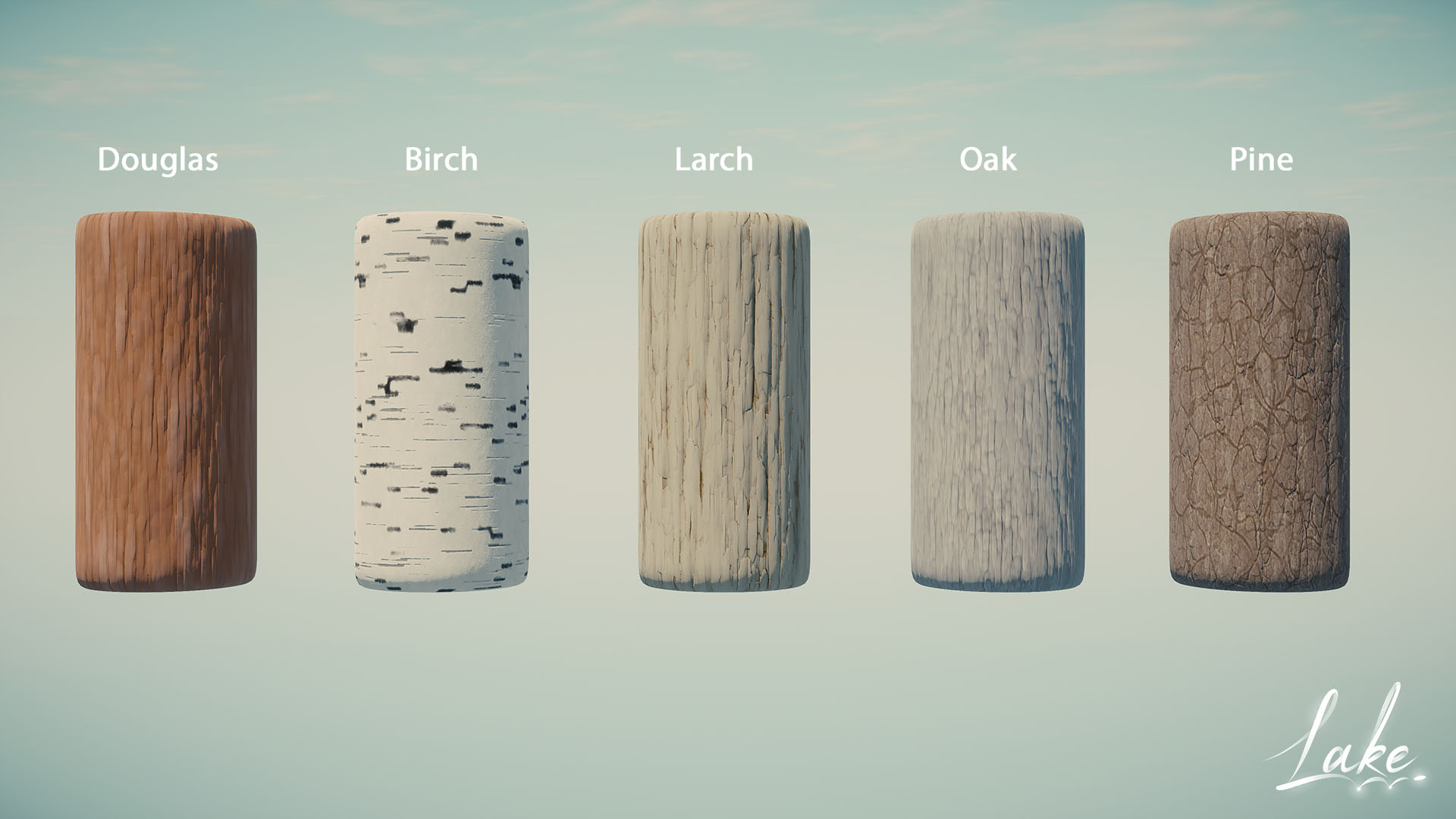
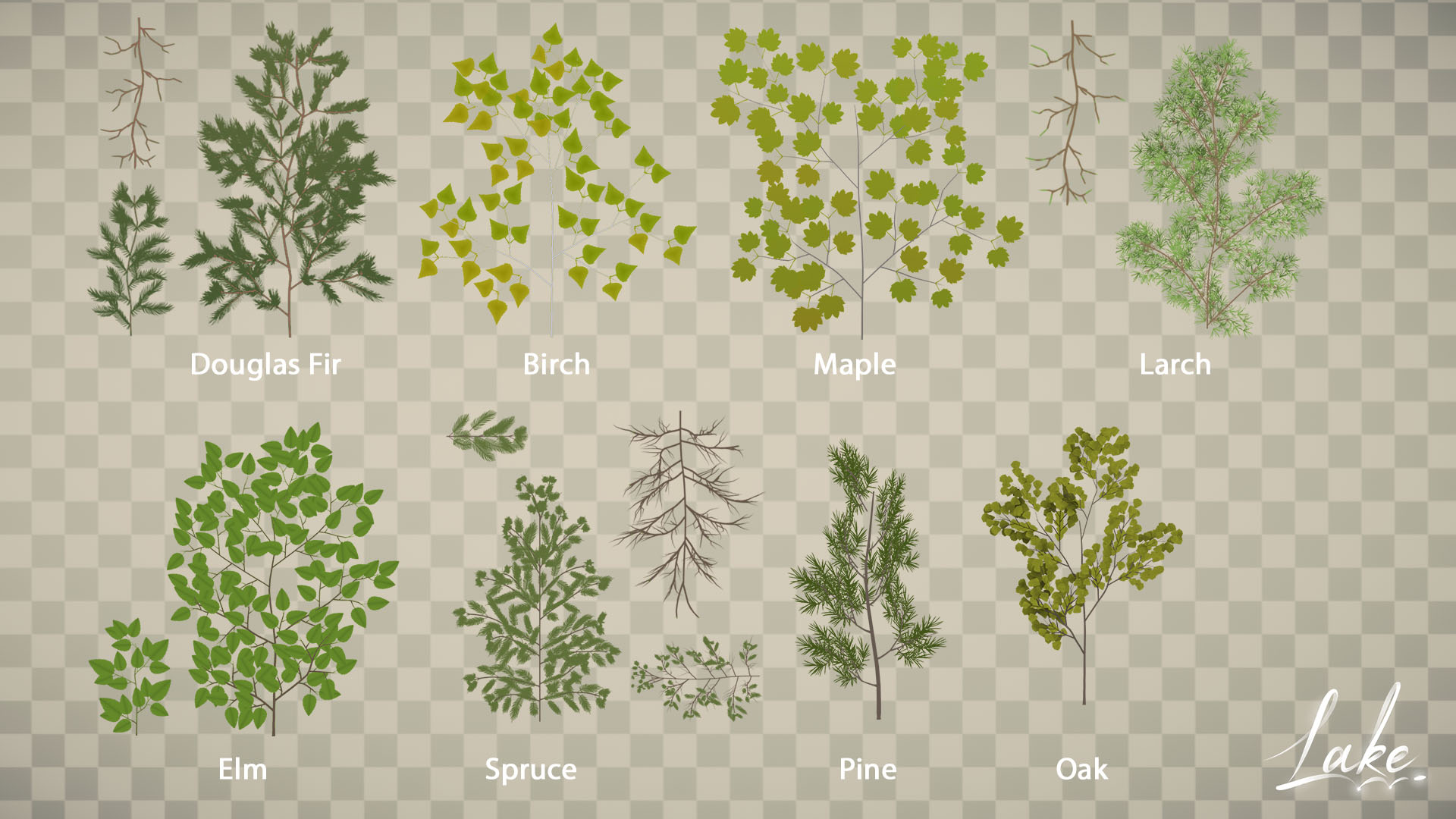
In the end, I definitely took some creative liberty by filtering out any trees that may look too much alike when adopted to Lake’s art style. About half of the assets listed weren’t created, since at one point the variety was already plentiful. Evidently the Douglas fir was the dominant species (covers about half of the state!), which is also reflected in the game world.
For the production of the vegetation assets I used the magnificent SpeedTree modeler. It’s by far my favorite tool for vegetation assets, given it’s non-destructive workflow. Experimenting with scale, foliage density and branch/leaf distribution is an iterative process. And the result only really shows when the asset is seen in the game environment, in large numbers. I had used SpeedTree since a few years before, for school projects. But due to its license, I was sadly never able to use it for anything on the Unity Asset Store. So I was excited to adopt it again, scot-free, in the production pipeline.
Production
In hindsight, working on vegetation for the project were probably made for the fewest, yet most enjoyable days. There’s just something special about getting into a creative flow, and watching something slowly grow into its own character. I have an inexplicable admiration for vegetation, it’s a testament to the determination and perseverance of natural life. In my own way, I could only hope to do it enough justice.
Come a more concrete plan of approach. The first prototype tree, which vaguely represented conifer trees were remodeled after a Douglas fir. I’d say this was a pivotal moment, where the world was taking direction, as it seemed to have evolved into a different game entirely. These models remained largely unaltered and given their exuberant appearance, became a pillar for the art direction.
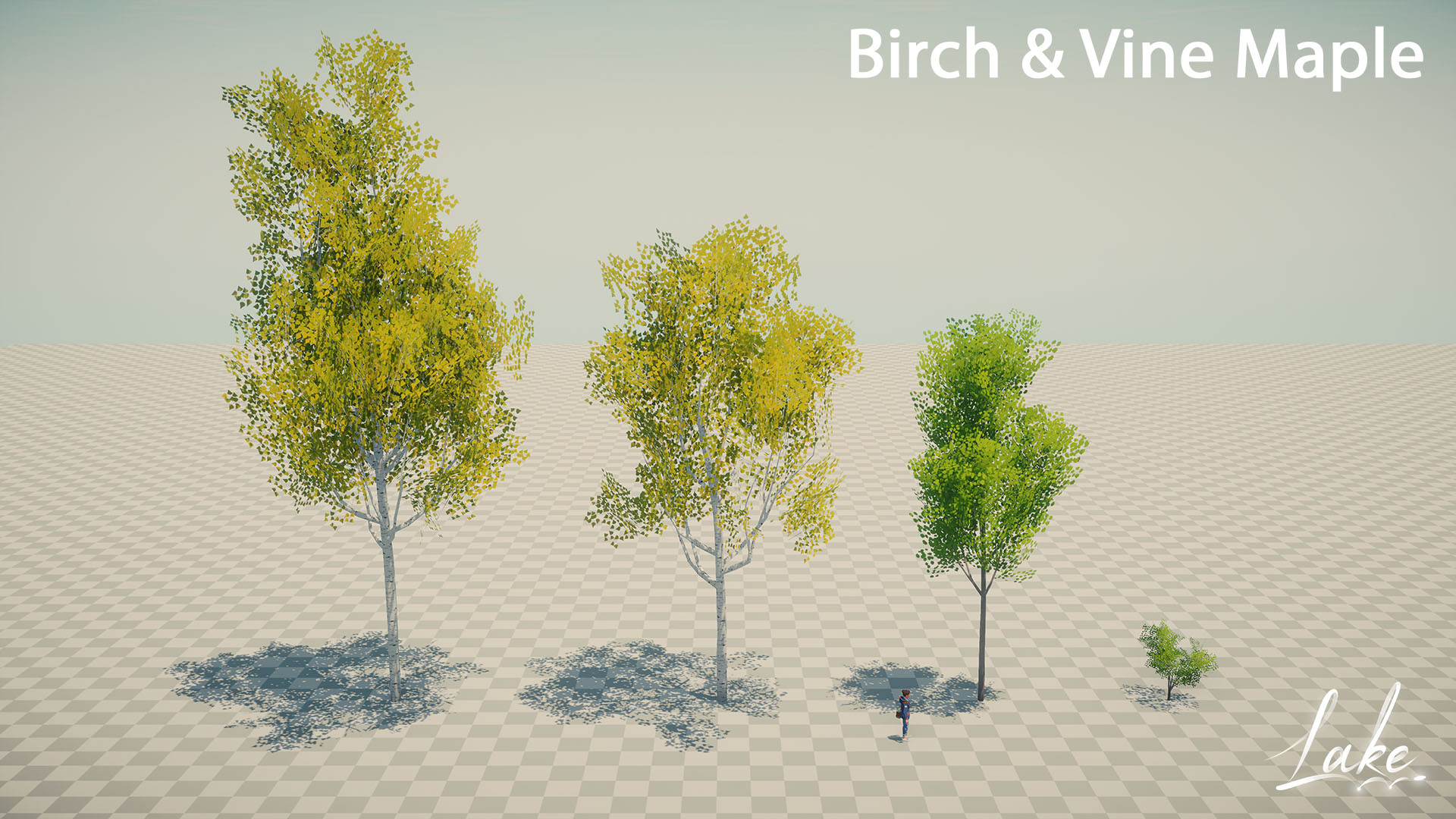
One of the most value things I have learned here, regarding the production of vegetation assets. Is the concept of maturity: trees in a forest are never all the same age nor does each have access to the same resources such as water, nutrients and sun light. As such, for any given species at least a mature and young tree variant has to be created.
A seemingly natural part of the development process was growing accustomed to the environment, which gave way to ideas on how to improve it. The roze-stained glasses periodically come off, so to speak.
The ground was rather barren in comparison to a forest floor in the natural world. Yet, it wasn’t likely we’d could achieve that amount of density and variety in groundcover. The easiest first steps towards this though was adding grass.
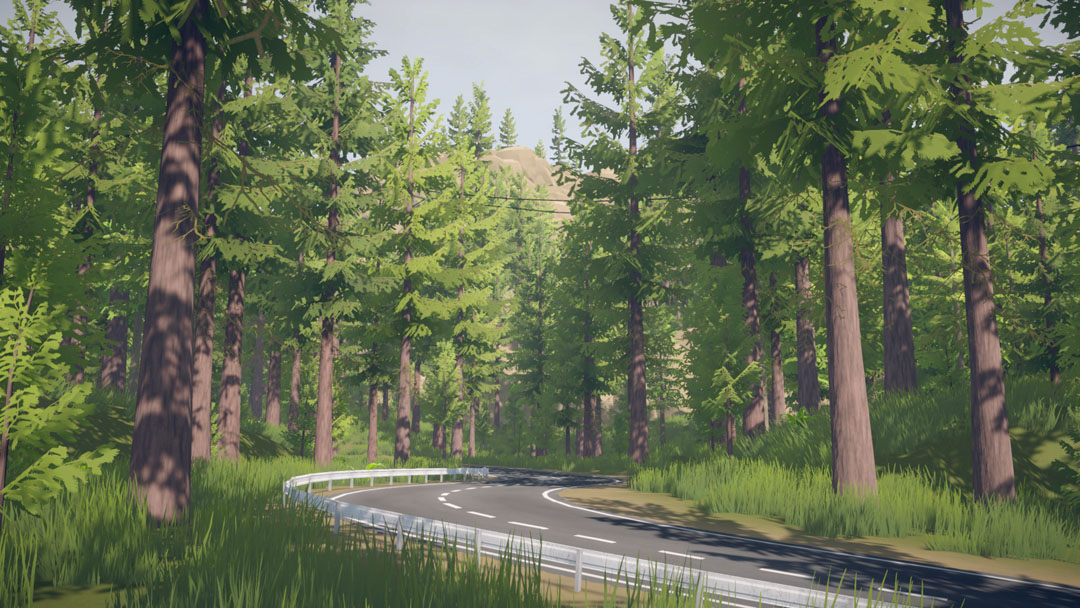
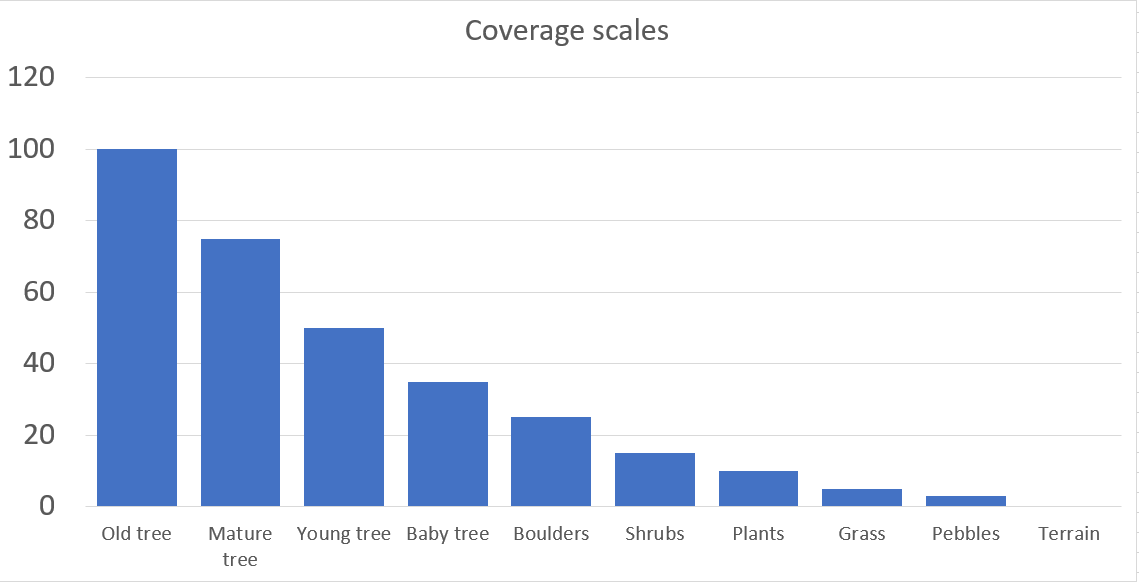
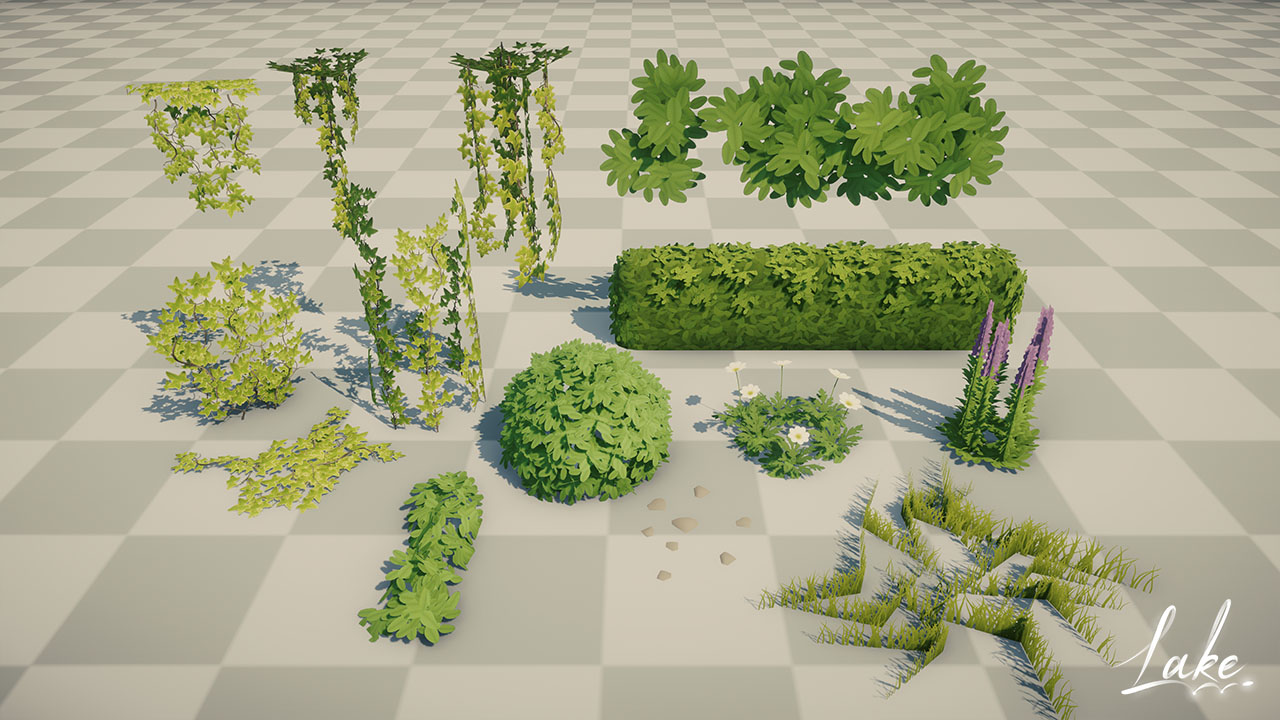
Between grass and the trees, there was still a sort of coverage “gap”, which didn’t yet provide the intimate feeling the environment was destined to fulfill. I had observed a hierarchy can be devised for assets, spanning from the terrain floor up to the crown of the tallest tree.
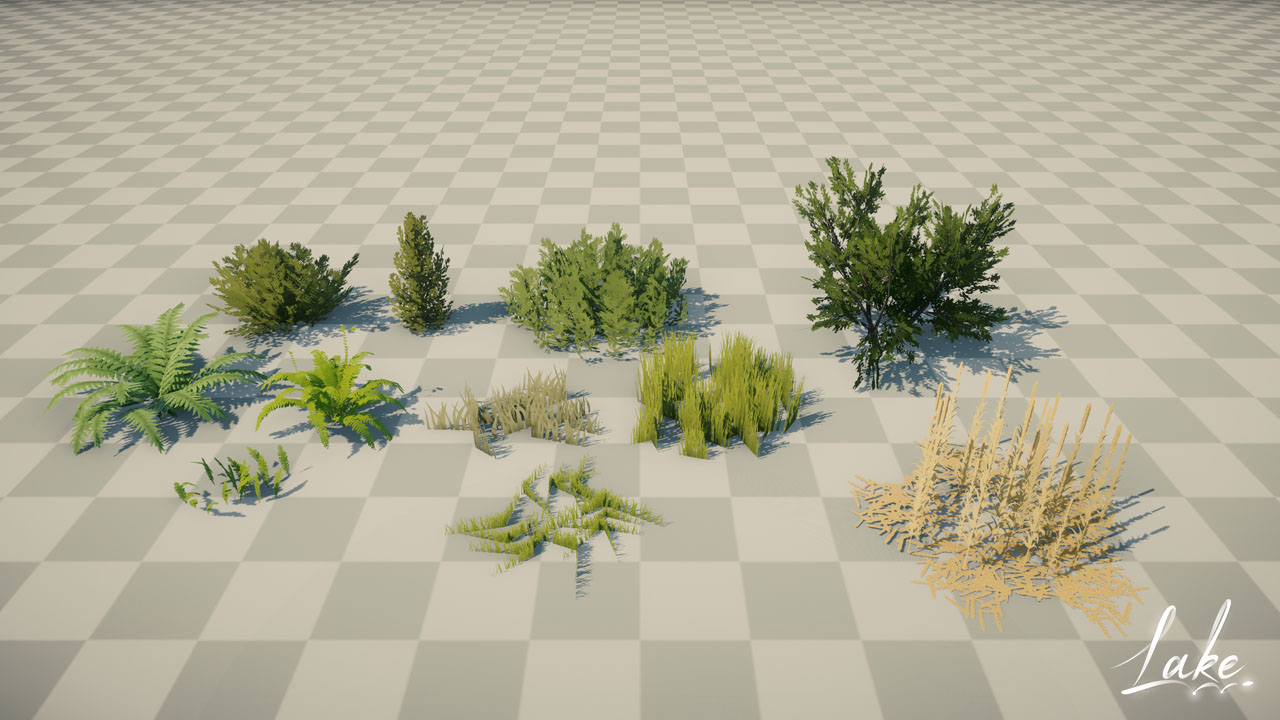
Ferns being extremely common in a forest, the Deer- and Giant Chain ferns joined the fold.
Plants and shrubs
Trees
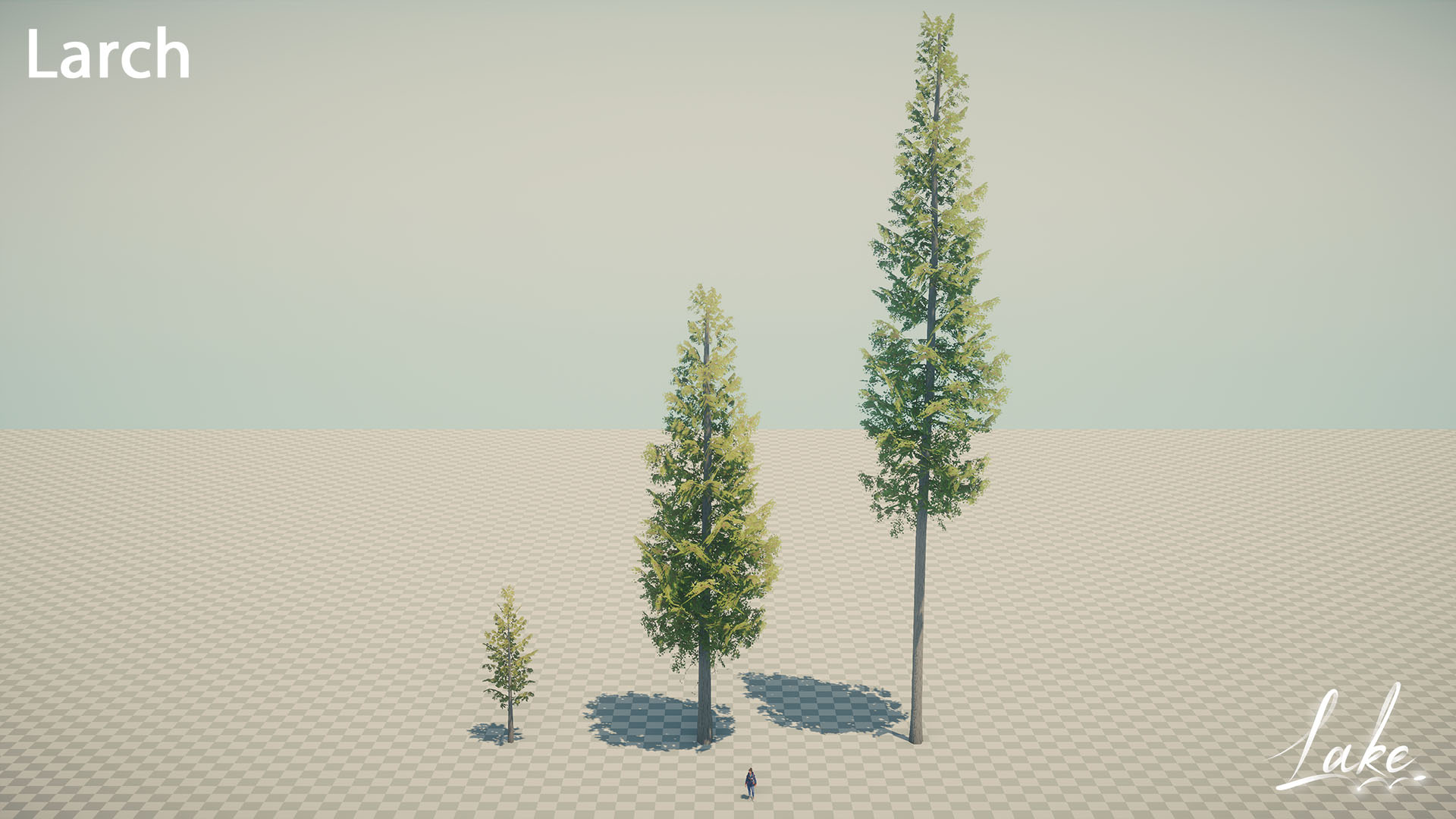
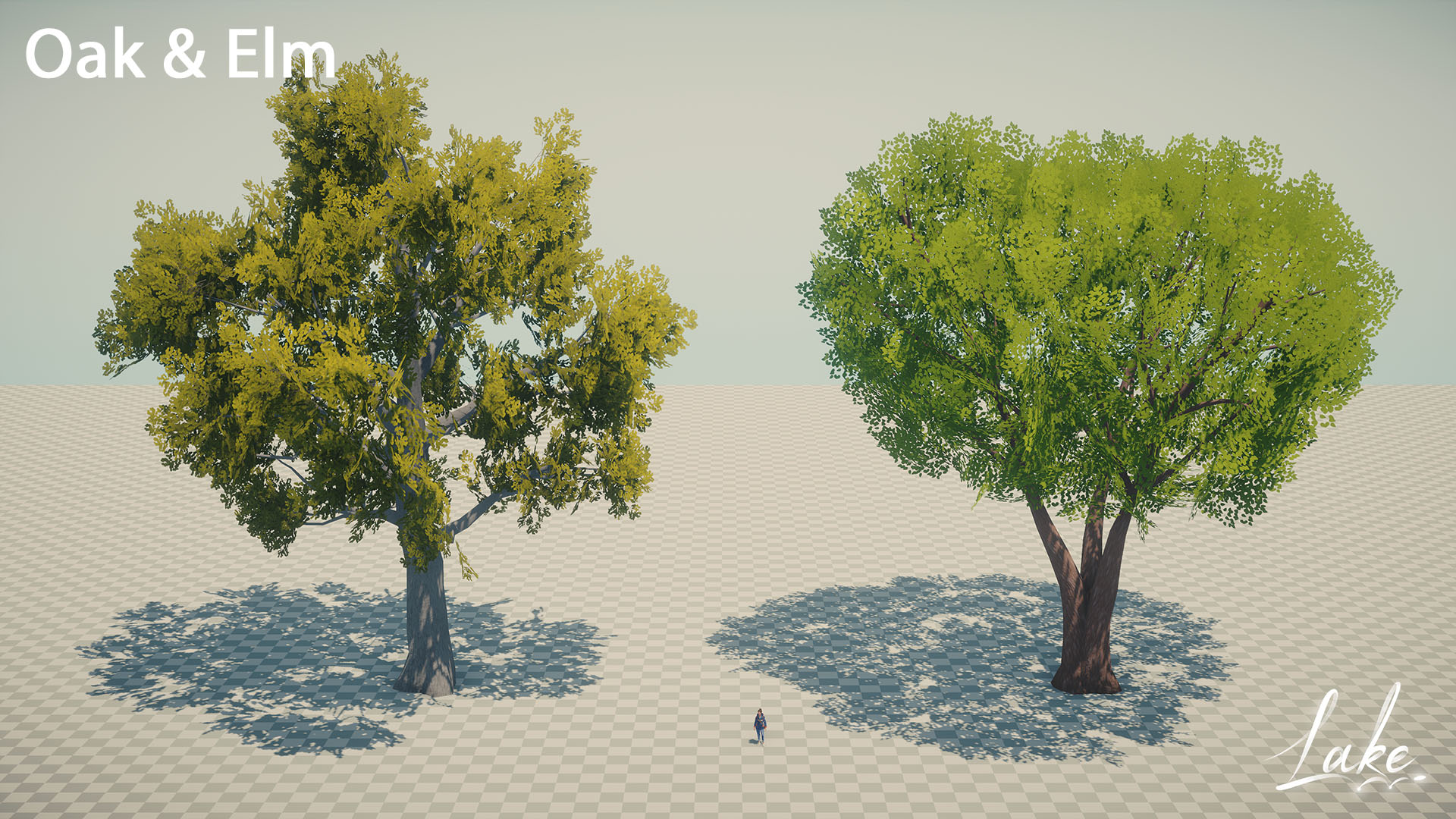
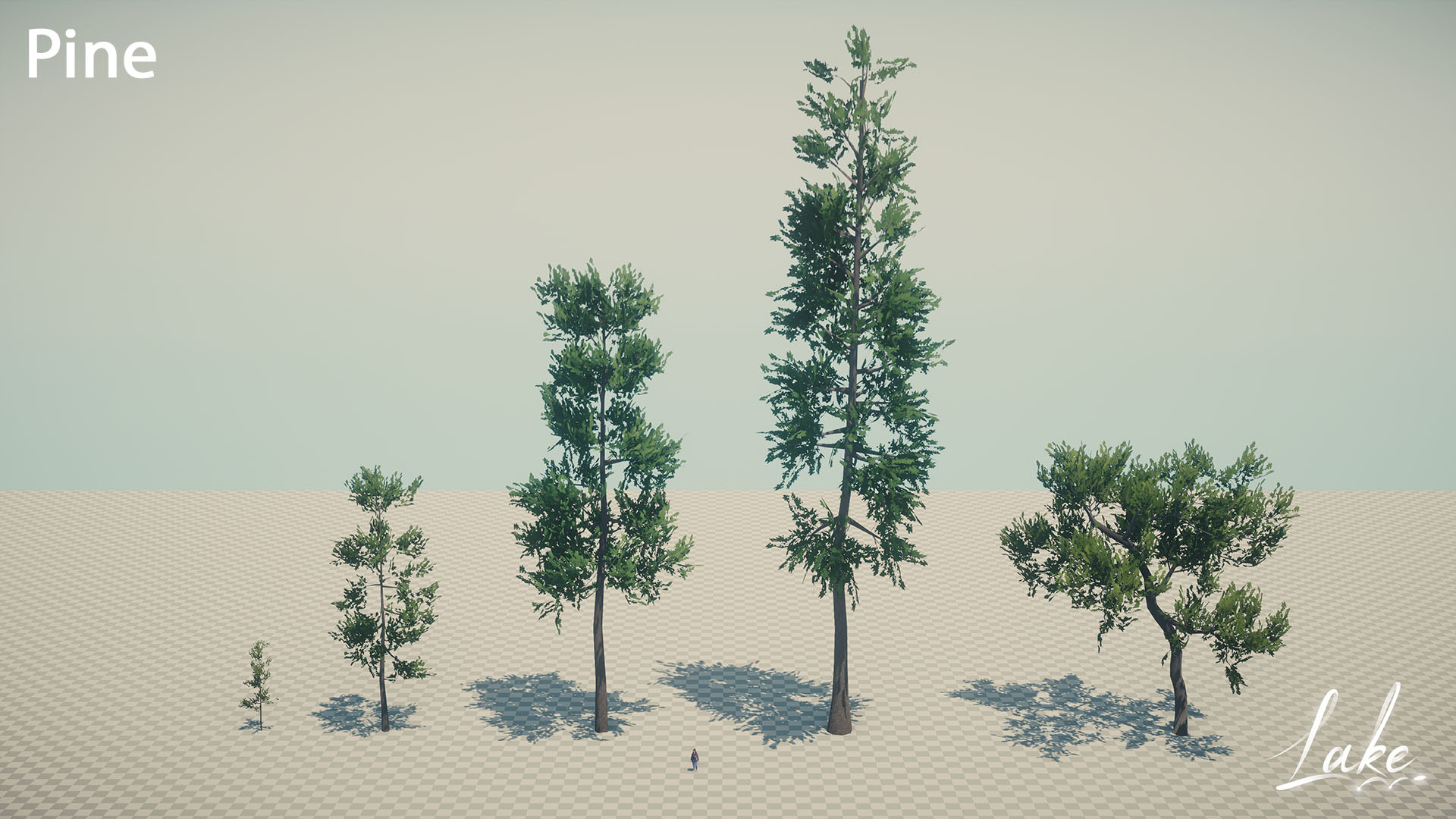
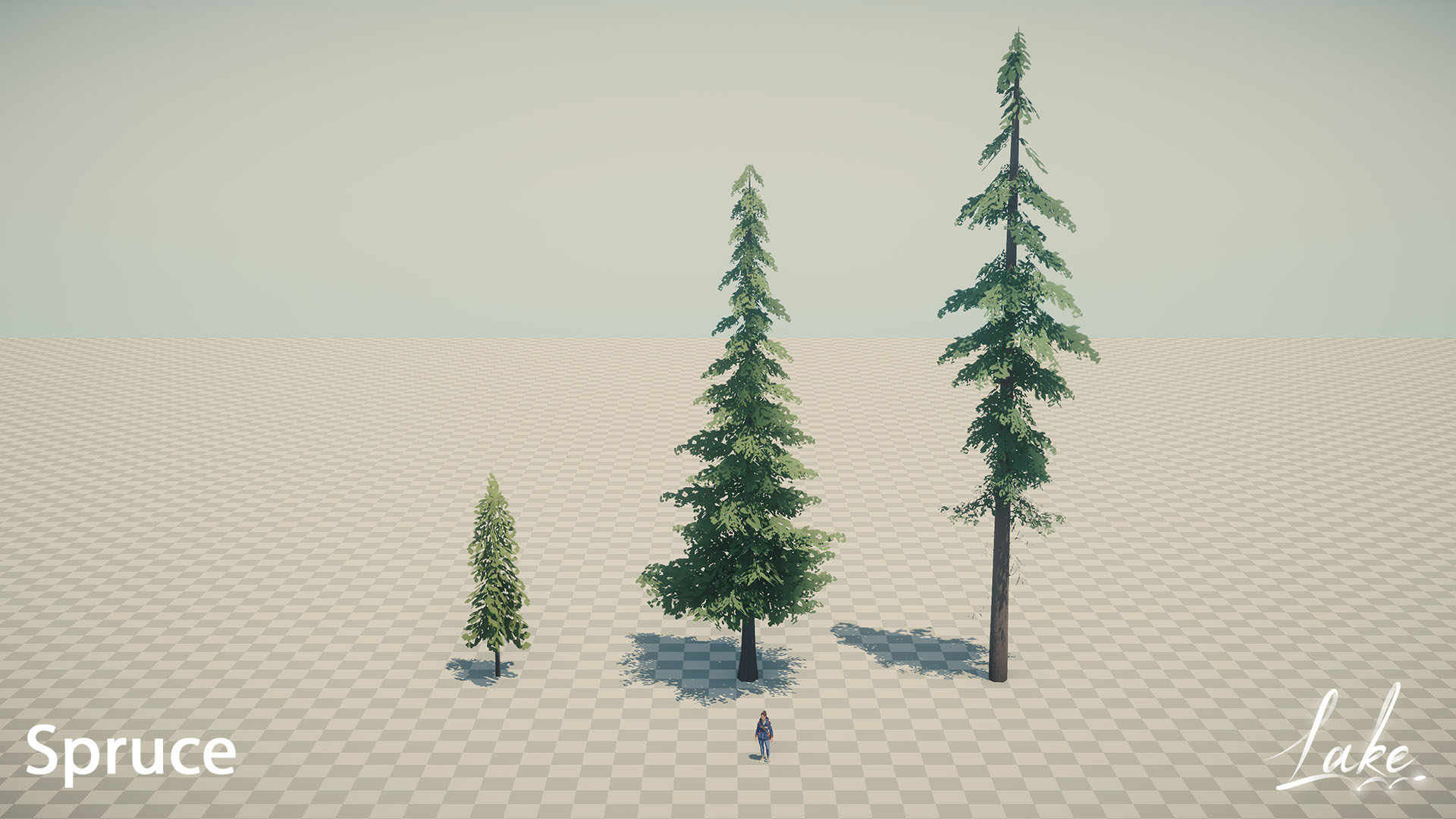
I was eager to create more variety, there was a lot of untapped potential. Such as a forest of Oregon’s infamous giant Sequoia trees. Yet, the world wasn’t very big, and there was the looming danger of turning it into an exhibition.